

Amidst paramilitary fighters from the notorious Rapid Support Forces (RSF) seizing control of the biggest urban center in western Sudan – carrying out mass executions, sexual assaults and ethnic cleansing with weapons supplied by the United Arab Emirates – the NBA’s annual Emirates NBA Cup tipped off on Halloween night, with sponsorship from the identical Middle Eastern nation.
An Expanding Partnership Amidst Crisis
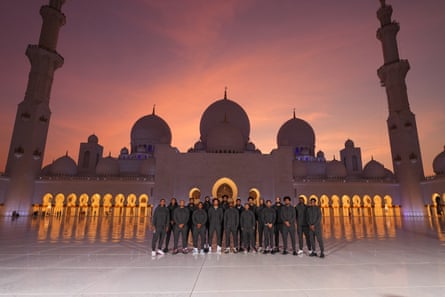
This event is the most visible illustration of the league's expanding partnership with the UAE – an alliance that encompasses yearly exhibition matches in Abu Dhabi, a valuable sponsorship deal with Emirates airlines, and proposals for a new NBA Global Academy at a university campus in Abu Dhabi.
Larger agreements are expected to follow. Reports indicate the NBA is pursuing Abu Dhabi’s investment in a proposed NBA-branded basketball competition, which might begin as soon as 2027.
This blossoming relationship has proven beneficial for both sides: the NBA has gained a wealthy investor, while the UAE has identified a willing partner to help further normalize its authoritarian government, particularly as it faces allegations of inflaming atrocities in Sudan.
The UAE's Questionable Record
Underneath its image of wealth and progress, the UAE enforces silence with an heavy hand. Dissidents and human rights advocates languish in prisons on trumped-up accusations, punished for daring to oppose the state. The country's wealth is built by migrant laborers, who make up a large percentage of the labor force and who toil with few rights and minimal options against abuse.
The UAE’s role extends into bloodier terrain abroad. A growing body of evidence connects the Emirati government to Sudan’s RSF, the armed group responsible for many of the horrors and war crimes occurring in Sudan.
The Horrors of Sudan's Civil War
Sudan’s internal conflict started in April 2023, when tensions between the Sudanese military and the RSF plunged the country into a state of full-scale warfare. Urban centers such as the city of Khartoum were transformed into battlefields, devastating critical infrastructure and causing the world’s largest refugee emergency.
As the civil war entering its third year, death toll estimates differ significantly. Humanitarian organizations have documented thousands of confirmed deaths. Separate studies suggest the number may be significantly higher, with many more dead due to the fighting.
The civil war has also been marked by horrific atrocities such as rape, abuse, dismemberment and targeted persecution. This was vividly demonstrated when a major city in Darfur was captured by the RSF. The militia embarked on a mass killing spree so extreme that evidence of the blood could be seen from space.
Since the start of the war, the UAE have reportedly financed and equipped the RSF, thereby supporting the group’s atrocities. The authorities have even brought a case to the International Court of Justice alleging the UAE of involvement in genocide. In spite of substantial evidence to the opposite, the UAE continues to deny any participation in the conflict.
Image Laundering and Global Apathy
In recent months, the UAE has staged major sporting events in cricket, basketball, UFC, and motorsport. Upcoming are a golf championship and padel tournaments. With rare exceptions, sports entities have made little effort to dissociate from the disputed nation.
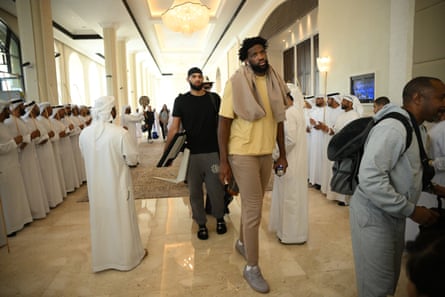
The UAE has gained significantly from the athletic community's apathy. Financial stakes in soccer teams, cricket, and various projects have recast the leadership as astute businessmen rather than ruthless autocrats.
And yet, the continuing slaughter in Darfur has garnered some unusual critical attention for the UAE. Some football fans have publicly criticized their club’s owner for the alleged involvement in the Sudan conflict.
A Call for Accountability
The lack of outcry around the NBA’s new partnership with the UAE is troubling. One of the few to criticize the NBA for normalizing the UAE’s role is a humanitarian organization that advocates for the rights of refugees. Their message read: “The tournament could bring out the positive aspects in everyone. Instead, it’s being used to whitewash crimes supported by the UAE in Sudan. The NBA must not allow itself to be a tool in the UAE’s rehabilitation of famine + genocide.”
However, clubs and organizations seldom end profitable agreements without resistance. At a major football club's recent assembly, an campaigner who previously led a successful campaign to end a sponsorship deal with another nation was shouted down by attendees after voicing objections about a new agreement with the UAE’s airline.
The activist charged the club of “buttressing the image of sketchy political regimes” and cautioned that the deal could inflict “long-term harm to the standing of our club”. For his remarks, he was ridiculed by the organization's leadership.
This incident highlights how effective the Gulf state’s public relations efforts have been, enabling criticism seem out of place even within renowned sports institutions.
A Final Thought
It is unlikely the NBA, which also maintains ties with additional authoritarian governments, to publicly address the UAE’s conduct … but imagine if they did. What if genocide, violations of international law and entrenched authoritarianism were red lines for international athletic organizations.


